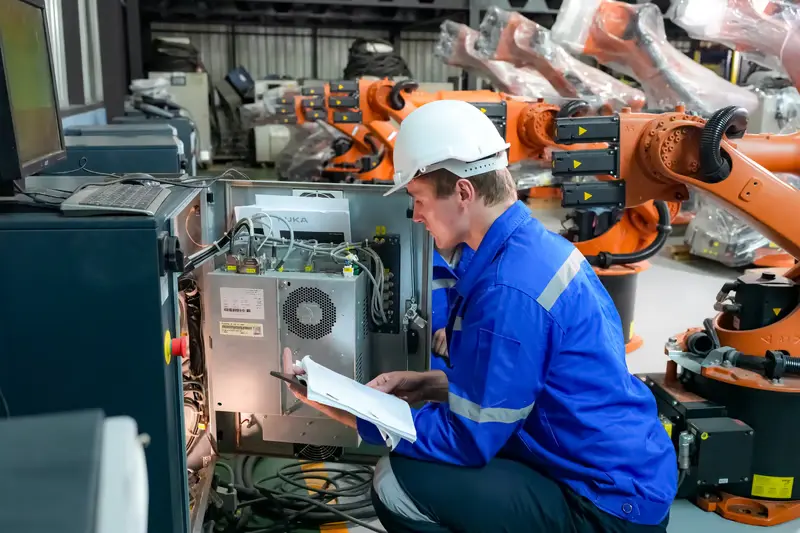
A production line can have skilled workers, reliable suppliers, and strong customer demand, yet still struggle when its machines cannot keep up. Outdated tools, frequent breakdowns, poor equipment layout, and rising operating costs can affect the entire operation. Choosing the right machinery is therefore a business decision as much as a technical one.
This guide explains how manufacturing equipment supports modern production, where automation makes a practical difference, and how regular maintenance protects performance. It also covers the factors that matter when selecting new machines, from production capacity and energy use to safety, training, and long term costs. The aim is to help manufacturers make decisions that fit their actual operations rather than simply buying the newest technology.
Understanding Manufacturing Equipment in Modern Production
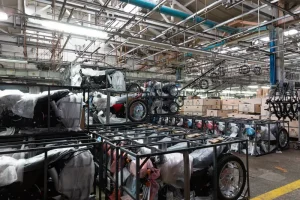
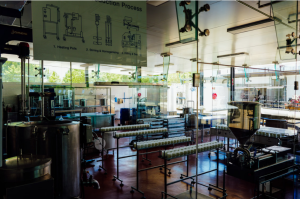
Manufacturing equipment includes the machines, tools, systems, and supporting devices used to turn raw materials into finished products. It covers everything from basic cutting and forming machines to automated assembly lines, industrial robots, packaging systems, and inspection equipment. The type of machinery a factory needs depends on what it produces, how much it produces, and the quality standards it must meet.
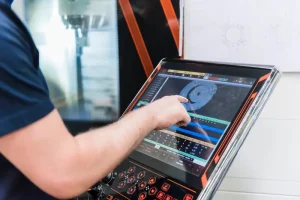
Some equipment performs a single task, such as drilling holes, cutting sheet metal, or filling containers. Other systems combine several operations into one production process. A modern facility may use conveyors to move materials, sensors to monitor machine conditions, and computerized controls to coordinate different stages. These systems work together to keep production organized and reduce unnecessary handling.
Main Categories of Industrial Machinery
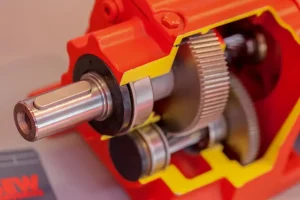
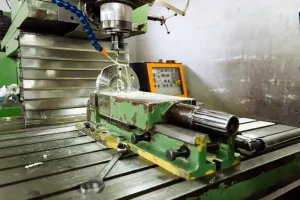
Processing machines change the shape, size, or properties of materials. Examples include CNC machines, presses, injection molding machines, industrial ovens, and cutting systems. Their selection depends on material type, product design, required tolerances, and expected production volume.
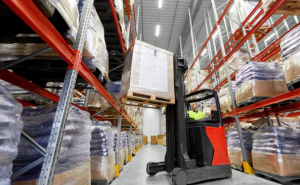
Material handling equipment moves products and supplies between workstations. Forklifts, conveyors, hoists, pallet systems, and automated guided vehicles are common examples. Proper handling equipment reduces manual lifting, limits product damage, and helps materials reach the right production area at the right time.
Assembly, inspection, and packaging systems complete the manufacturing process. Assembly machines join components, while inspection equipment checks dimensions, surface quality, and other product requirements. Packaging machines prepare finished goods for storage and delivery. These supporting systems can have a direct effect on output because a production line is only as effective as its slowest stage.
How Automation Is Changing Manufacturing Operations
Automation uses control systems, machines, and software to perform tasks with limited manual intervention. Its purpose is not simply to remove people from production. It can improve consistency, handle repetitive work, reduce exposure to hazardous tasks, and help manufacturers respond to changing demand.
The right automation strategy depends on the process. A factory producing thousands of identical components may benefit from a dedicated automated line. A workshop making small batches of different products may need flexible machines that can be reprogrammed quickly. Buying automation without understanding the production requirement can create expensive systems that are difficult to use.
Robotics and Automated Production Lines
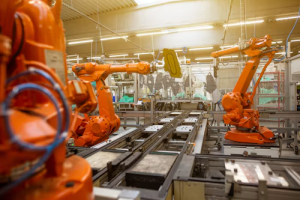
Industrial robots are commonly used for welding, painting, machine tending, material handling, and repetitive assembly. They can perform programmed movements at a consistent pace and work in environments that may be tiring or unsuitable for continuous manual tasks. Collaborative robots, often called cobots, are designed for certain applications where people and robots share a workspace under defined safety conditions.
Automated production lines connect machines and workstations into a coordinated process. Conveyors, sensors, programmable logic controllers, and machine controls help products move through each stage. When the line is properly balanced, manufacturers can reduce waiting time and improve production flow.
However, automation introduces new responsibilities. Operators and technicians need training in programming, troubleshooting, safety procedures, and system recovery. A robot that stops because of a sensor fault can interrupt several connected operations. Facilities should therefore plan for maintenance access, spare parts, and manual recovery procedures before installing automated systems.
Sensors, Data, and Smart Manufacturing
Sensors collect information about temperature, pressure, vibration, speed, position, and other operating conditions. Control systems use this information to manage machine functions and identify abnormal behavior. In connected factories, production data can also help managers understand downtime, energy use, quality problems, and equipment performance.
Industrial Internet of Things systems connect machines and devices so that useful operating information can be monitored across a facility. Some manufacturers use this data to identify patterns that are difficult to notice through manual checks. For example, rising vibration levels may indicate a developing bearing problem before the machine stops working.
Data only helps when it is accurate and used properly. Manufacturers should decide which measurements matter, who will review them, and what action should follow an alert. Collecting large amounts of information without a clear purpose can add complexity instead of improving production.
Selecting the Right Equipment for Your Facility
Purchasing a machine should begin with a clear understanding of the job it needs to perform. A low purchase price may look attractive, but it does not guarantee good value. The wrong machine can create bottlenecks, increase maintenance expenses, or fail to meet product specifications.
A practical selection process compares technical requirements with the real conditions of the facility. Manufacturers should consider current demand as well as realistic future needs. Buying far more capacity than required can tie up capital, while choosing a machine that is too small may limit growth.
Production Capacity and Technical Requirements
Start by reviewing the required output per shift, expected working hours, product range, and production schedule. Consider how long each cycle takes and whether the machine can handle the expected workload without operating beyond its recommended limits. Capacity should also account for setup time, cleaning, changeovers, and planned maintenance.
Technical specifications need close attention. Check working dimensions, motor power, speed range, accuracy, material compatibility, control features, and available tooling. For machines used in precision work, confirm that their repeatability and tolerance capabilities match the engineering requirements. A machine may appear suitable on paper but still be unsuitable for a particular material or component design.
Manufacturers should also consider flexibility. If product designs change frequently, equipment with adjustable settings and accessible programming may offer better long term value. A dedicated machine can be a stronger choice when production is stable and the same operation runs at high volume.
Total Cost of Ownership
The purchase price is only one part of the financial decision. Installation, foundations, electrical work, compressed air, tooling, operator training, software, and commissioning can add significant costs. These expenses should be included in the project budget before comparing suppliers.
Operating costs matter throughout the machine’s service life. Electricity consumption, consumables, replacement parts, lubrication, maintenance labor, and production downtime all affect the total cost. A less expensive machine may become costly if it uses more energy or requires frequent repairs.
Ask suppliers about warranty terms, service availability, spare parts, expected maintenance intervals, and technical support. It is also useful to review references from facilities using similar machines. A supplier’s ability to support the equipment after installation can be just as important as its initial performance.
Maintenance Strategies That Protect Production
Even well designed machines experience wear. Bearings, belts, seals, cutting tools, filters, motors, and electrical components need attention as equipment operates. A structured maintenance program reduces the risk of unexpected failures and helps keep machines within their intended operating conditions.
Maintenance should not be treated as work that happens only after something breaks. Reactive repairs are sometimes unavoidable, but relying on them can lead to lost production, urgent purchasing, and expensive equipment damage. A planned approach gives maintenance teams more control over workloads and replacement schedules.
Preventive Maintenance
Preventive maintenance follows a schedule based on operating hours, calendar intervals, manufacturer guidance, and known wear patterns. Typical tasks include lubrication, filter replacement, belt inspection, cleaning, tightening connections, and checking safety devices. The exact schedule depends on machine design and operating conditions.
A maintenance checklist helps technicians complete routine tasks consistently. Records should show what was inspected, what was replaced, and whether any abnormal condition was found. These records make it easier to identify recurring faults and plan future work.
Operators also have a role. They are often the first people to notice unusual noise, overheating, leaks, vibration, or changes in machine performance. Clear reporting procedures help maintenance teams investigate problems before they become serious failures.
Predictive and Condition Based Maintenance
Predictive maintenance uses equipment data and condition monitoring to estimate when maintenance may be needed. Vibration analysis, thermal imaging, oil analysis, and motor current monitoring can reveal signs of developing faults. These methods are especially useful for critical machines where unexpected downtime would disrupt a large part of production.
Condition based maintenance takes action when inspection or monitoring shows that equipment has reached a defined condition. For example, a filter may be replaced when pressure readings indicate restricted airflow rather than after an arbitrary period. This can avoid unnecessary replacements while still protecting performance.
Not every machine needs advanced monitoring. A simple inspection schedule may be enough for low cost equipment with limited production impact. The best approach matches the maintenance method to the machine’s importance, failure risk, and repair cost.
Workplace Safety and Equipment Compliance
Safe machinery protects workers and supports reliable production. Moving parts, sharp tools, high temperatures, electrical systems, stored energy, and heavy loads can create serious hazards. Each machine should have suitable guarding, emergency stops, warning labels, and operating procedures based on its design and workplace risks.
Machine guarding should prevent access to dangerous areas during normal operation. Interlocks and presence sensing devices may be required for certain applications, but they must be selected and installed correctly. Operators should never bypass safety devices to save time or keep a machine running.
Training is equally important. Workers need to understand normal operation, emergency procedures, lockout and tagout requirements, and the correct way to clear jams or perform cleaning. Maintenance work should follow approved isolation procedures so that electrical, pneumatic, hydraulic, or mechanical energy cannot cause unexpected movement.
Before purchasing machinery, check applicable workplace safety regulations and relevant technical standards. Confirm that the supplier provides appropriate documentation, installation guidance, and safety information. A machine that meets production targets but creates unacceptable risks is not a suitable investment.
Improving Equipment Efficiency and Production Flow
Equipment performance depends on how well machines fit into the wider production process. A fast machine cannot improve overall output if materials arrive late, finished parts wait for inspection, or the next workstation cannot keep up. Managers should review the complete workflow rather than judging machines only by their individual cycle times.
One useful measure is overall equipment effectiveness, commonly known as OEE. It combines availability, performance, and quality to show how effectively equipment is being used. Availability reflects operating time compared with planned production time. Performance considers whether the machine runs at its intended rate, while quality accounts for good parts compared with total output.
OEE is most useful when its data is collected consistently and interpreted in context. A low score can point toward frequent breakdowns, slow cycles, changeover delays, or defects. It should lead to investigation rather than become a target that encourages workers to ignore safety or quality.
Layout improvements can also make a difference. Positioning machines in a logical sequence reduces unnecessary movement and material handling. Clear walkways, organized tool storage, accessible maintenance points, and properly placed inspection stations help production teams work more efficiently.
Planning for Future Manufacturing Needs
Manufacturing requirements change as customer expectations, product designs, and production volumes develop. Equipment selection should account for these changes without relying on unrealistic growth forecasts. A machine with modular features, upgrade options, or flexible controls may adapt more easily than a system designed for one narrow task.
Energy efficiency deserves attention during long term planning. Motors, compressed air systems, heating equipment, and extraction systems can consume substantial energy. Comparing operating requirements and improving maintenance can help control these costs. Efficient equipment should still meet production and safety needs rather than being selected on energy ratings alone.
Digital compatibility is another factor. New machines may need to exchange information with production planning software, quality systems, or existing control networks. Before installation, confirm that data formats, communication protocols, cybersecurity requirements, and support arrangements are compatible with the facility’s systems.
Summary
Successful production depends on more than buying powerful machinery. Manufacturers need equipment that matches their materials, product designs, output targets, workforce skills, and available budget. Automation can improve consistency and reduce repetitive work, while preventive and condition based maintenance help protect reliability.
A sound investment decision considers total ownership cost, safety, technical support, energy use, and future flexibility. When equipment is selected carefully and managed as part of a complete production system, manufacturers can improve output without losing control of quality or operating expenses.
FAQs
1. What factors should I consider before buying manufacturing equipment?
Review production capacity, material compatibility, accuracy, operating costs, safety features, maintenance needs, and supplier support. Also consider installation requirements and whether the machine can handle realistic changes in product demand.
2. How does automation improve manufacturing productivity?
Automation can reduce repetitive manual tasks, improve cycle consistency, and coordinate connected production stages. Its value depends on choosing suitable processes, training workers, and maintaining the controls, sensors, and mechanical systems that keep operations running.
3. What is the best maintenance strategy for industrial machines?
A combination of preventive and condition based maintenance works well for many facilities. Routine inspections handle known maintenance needs, while condition monitoring helps identify developing problems. The right balance depends on machine criticality, operating conditions, and repair costs.
4. How often should manufacturing machines be serviced?
Service intervals depend on the machine manufacturer’s guidance, operating hours, workload, and working environment. Some checks may be needed daily, while other tasks occur monthly or annually. Maintenance records help teams adjust schedules based on actual equipment conditions.
5. Is automated equipment suitable for small manufacturers?
It can be, especially when automation addresses a repetitive task, reduces a production bottleneck, or improves workplace safety. Small manufacturers should compare the full investment and support requirements with the expected savings before committing to a system.